Monday, 13 June 2022

GIFTED AWARENESS WEEK 2022

 Gifted Awareness Week runs each year in the week of 17 June. This particular week is chosen as it is the birthday of George Parkyn, a NZ researcher who looked at gifted children in his studies. He was a founding member of the NZ Association for Gifted Children. The 'George Parkyn Centre' was named after him when it was set up in 1995- the name of the first organisation in NZ to start up 'One Day School' (later becoming the Gifted Education Centre, now The NZ Centre for Gifted Education). 
The theme for this year's 'Gifted Awareness Week' is 'Like minds'.

What are like minds?

People who learn, think and feel in a similar way.  


How do our gifted children find like minds?

  • Interest groups (eg scouts etc, sports teams, clubs, volunteer groups, cultural /religious groups, music groups, drama groups etc) - follow your child's interests or introduce them to new ideas - they might just find something they love!
  • Giving them opportunities to work with both age peers and intellectual peers (schools can group students in various ways)
  • When parents find like-minded friends they can often have like-minded children - don't overlook the importance of these casual catch-ups for both children and parents.
  • Online groups - for older children / teens online chat groups can be useful if they are all respectful of each other's thoughts and feelings


Why is finding like minds important?

We know that often our gifted students can feel different as they often learn, think and feel differently to many of their age peers. It's important on a basic psychological level to feel that you belong and are accepted (see Maslow's hierarchy of needs, below). So finding like minds helps support this emotional and social need. 

Once that need is met it is then possible for tamariki to work towards 'self-actualisation' - being the best they can be, being creative and working towards heir potential. Like minds can help support challenge as children bounce ideas off each other or encourage each other to learn more if they have similar interests or learning ethos. 


A little of the research backing up the importance of time with like minds

"Coleman (2001) suggested that peer groups may impact gifted adolescents’ talent development because of the importance of social relationships for adolescents. Riley and White (2016) observed that opportunities for gifted students to spend time with like minded others increased opportunity for challenge when students engaged in thinking and learning with intellectual peers, thus positively influencing academic development. According to Clark (2008) gifted students placed in a regular class find it “impossible to have the support and intellectual challenge of their peer group unless such peer groups are consciously planned” (p. 236), showing that ability grouping is important to support challenge. Strong academic effects for gifted students who were grouped were noted by Rogers (2007), who also stated that the more time gifted students spend with intellectual peers, the more positive the academic and social effects will be."(Thompson, 2021)

Changes over time

 The last couple of weeks have seen us looking at changes over time to communication.

WRITTEN COMMUNICATION

We looked at the invention of the printing press by Johannes Gutenberg and how it made books (and therefore reading and writing) more accessible for all. Before the printing press books were handmade and so rare and expensive, meaning only those with wealth generally had access to books. 

We looked at how advances in writing techniques had changed - from quill and ink, to ball-point pens, to voice to text. We wondered what might be next and some creative children came up with their ideas. Many were keen to try making a quill and writing with it too. 

Looking at changes over time can add depth and complexity to learning and thinking.


LONG DISTANCE COMMUNICATION

We looked at the history of communication in NZ - this short video from MOTAT sums up the main points. 


We looked at some old telephones and the changes that had happened just in the last 50 years, and wondered about future communication. 
We had a debate on whether mobile phones should be banned in high schools - great skills for students learning to look at two sides of a debate and learning how to give reasons and be convincing. There were some strong feelings on both sides, and we looked at listening respectfully to others opinions / points of view and taking turns to respectfully voice our own opinions and give convincing reasons for those opinions. 
Debating can add depth and complexity to thinking - looking at different perspectives, and ethics. It also utilises and enhances verbal and reasoning skills. 

Sunday, 29 May 2022

COMMUNICATION - Term 2 2022

 This term we are looking at the concept of communication. Each week we complete some activities together - discussions, games, brainstorming, watching a video to illustrate some new learning etc. Then year 3-6 children have the choice of a variety of ideas to take their learning further.

We started by looking at the different types of communication - verbal and non-verbal. Did you know that some common gestures that we use are different in some countries? 

We also looked at the importance of listening as part of good communication, and we tried out some listening games to practice this.

Some children played a board game to practice their communication skills, some learnt about the skills of listening, some learnt the art of mime and tried some out, some worked on writing a story or poem of their choice. 


Next we looked at animal communication - what they are trying to communicate and how. We tried finding a scent and looked at how ants use pheromone trails to find their home, and show each other where to find food. Some researched an animal of their choice to see how they communicate, some acted out an animal communicating and had a friend guess what they were tying to communicate, some drew pictures of animals and labelled the parts they use for communication, and some enjoyed a bit of fantasy and humour looking at these animals 'talking' on BBC 'walk on the wild side'. 


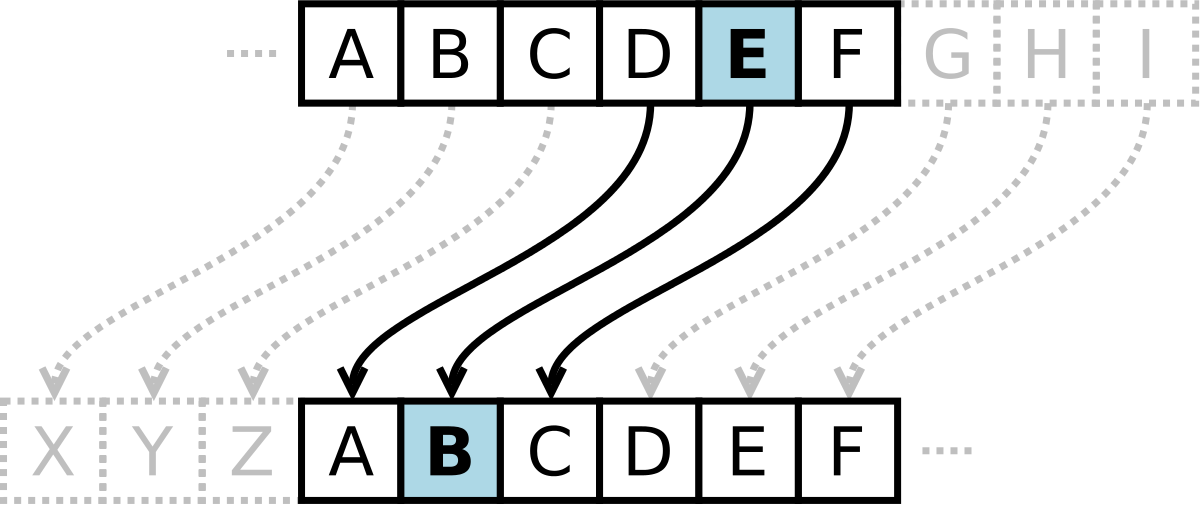
Codes are ways to communicate quickly and/or in secret. We looked at different codes and ciphers and tried to find patterns to help us crack the codes. Children tried making their own codes, some tried computer coding using scratch, some looked at the history of codes and where they were used, some tried using the morse code machine that I had in class. 


Friday, 8 April 2022

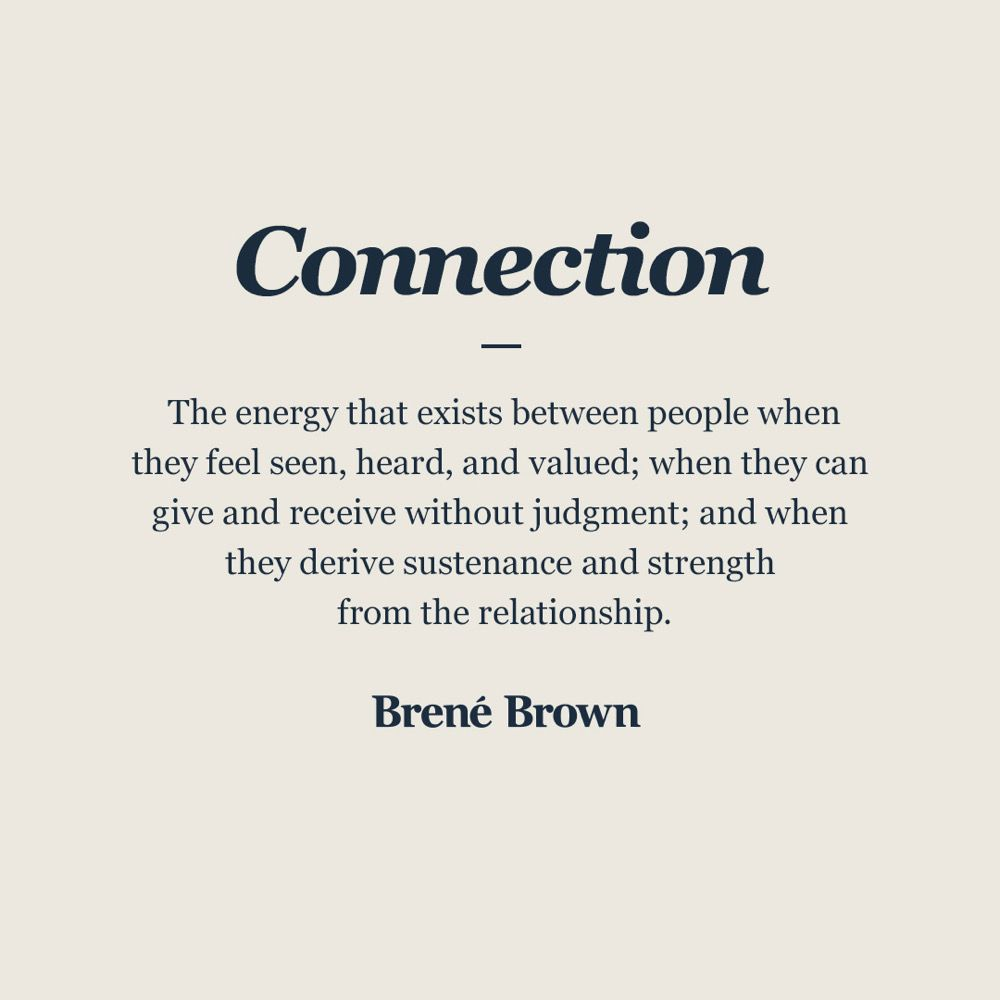
Connections

 This term we are exploring connections in various contexts.

CONNECTIONS IN THINKING

We looked at how the brain works - exploring neurons and synapses and how we learn. We thought about ourselves and the best ways we learn, and the many ways that people can learn. We discussed what we can do if we find something hard to learn - what helps us? And we thought about things that we enjoy learning or we find easy to learn - what is it that makes it enjoyable and/or easy?


Tamariki enjoyed trying out wordles (and globle, heardle, nerdle, birdle!) to stretch their brains. Some created their own puzzles. Some made scratch games about the brain. Some tried learning something new. 


CONNECTION WITH THE LAND

What makes us feel connected to a place? We found out that connections are formed when you have good memories from a place - somewhere you have been on holiday, with family and friends, where you were born or where ancestors are from, where you feel safe. We looked at tūrangawaewae (a place to stand) - the Māori concept of places we feel connected to. 

Some tamariki chose to look at their pepeha, some looked at place names and their meanings, some connected with nature with mindfulness activities and creating things, some designed bridges to connect land. 


CONNECTIONS WITH EACH OTHER

We found things we had in common with each other and talked about similarities, differences, what makes a good friend etc. We talked about not 'judging a book by it's cover' and found out how much more we could learn about others by getting to know them and taking the time to chat to them.


CONNECTORS ON CLOTHING

We started by looking at buttons and how buttons changed fashion by allowing clothes to be made that could fit closer to the body. We brainstormed other clothing connectors (zips, velcro, buckles, laces etc). 

We looked at button collectors and discussed other things people collect. Many had stories of their own collections. We looked at different uses for connectors like buttons, zips, velcro.

Some students sorted buttons - classifying them into colours, shapes, sizes. Some created art with buttons, some learnt how to sew on a button, some researched the history of velcro, zips etc, some discovered creative ways of threading laces, some designed new ideas for clothing connectors.


CONNECTION WITH THE LIVING WORLD

How do we affect living things and how do they affect us? We looked at Whales and how humans can affect their lives, and we looked at how whales affect our lives. Did you know that a whale's role in the marine ecosystem plays a ket part in helping combat climate change? 

Here's a fascinating video about that:


BRIDGES - CONNECTING PLACES

Where are bridges used? We looked at a range of bridge types and places they are used. We then tried to create our own bridges, looking at how to make them strong.

Monday, 14 March 2022

Hello 2022

 After several months of online learning for Quest last year we were delayed starting this year due to restrictions on groups. 

We are finally starting back this week and I am so excited to see all the students. I haven't worked with them in person since early August 2021!

We are starting this year with the concept of connection - re-connecting with each other and looking at other concepts of connection the rest of the term. 


Friday, 6 August 2021

TERM 3 CIVILISATION

 This term we are looking at the development of civilisations and how they have influenced the world we live in today. 

We started by looking at Greece and the Ancient Olympics - comparing them with the modern Olympics. 

We looked at competition and whether we agreed with the ancient Greeks that competition fosters excellence. 

The Olympic motto is made up of three Latin words : Citius - Altius - Fortius. These words mean Faster - Higher - Stronger. We thought about how people might strive to do this - what could help them? 


We followed by looking at Mesopotamia - the 'cradle of civilisation' and how life changed when a nomadic lifestyle settled into towns and cities with the advent of agriculture. We pretended to be Mesopotamian people and traded our goods so that we all had food as well as some other items like cloth, pots, tools. It was a noisy marketplace! Some tried their hand at writing in cuneiform (the first known written language) on plasticine tablets. 

We discussed what changed once the basic needs of a steady supply of food and water were met. People could develop and specialise in other areas, such as art and architecture, law, invention, and trade what they created for food. 


Tuesday, 15 June 2021

Thriving

Gifted Awareness Week 2021 has the theme 'Thriving as Gifted'.

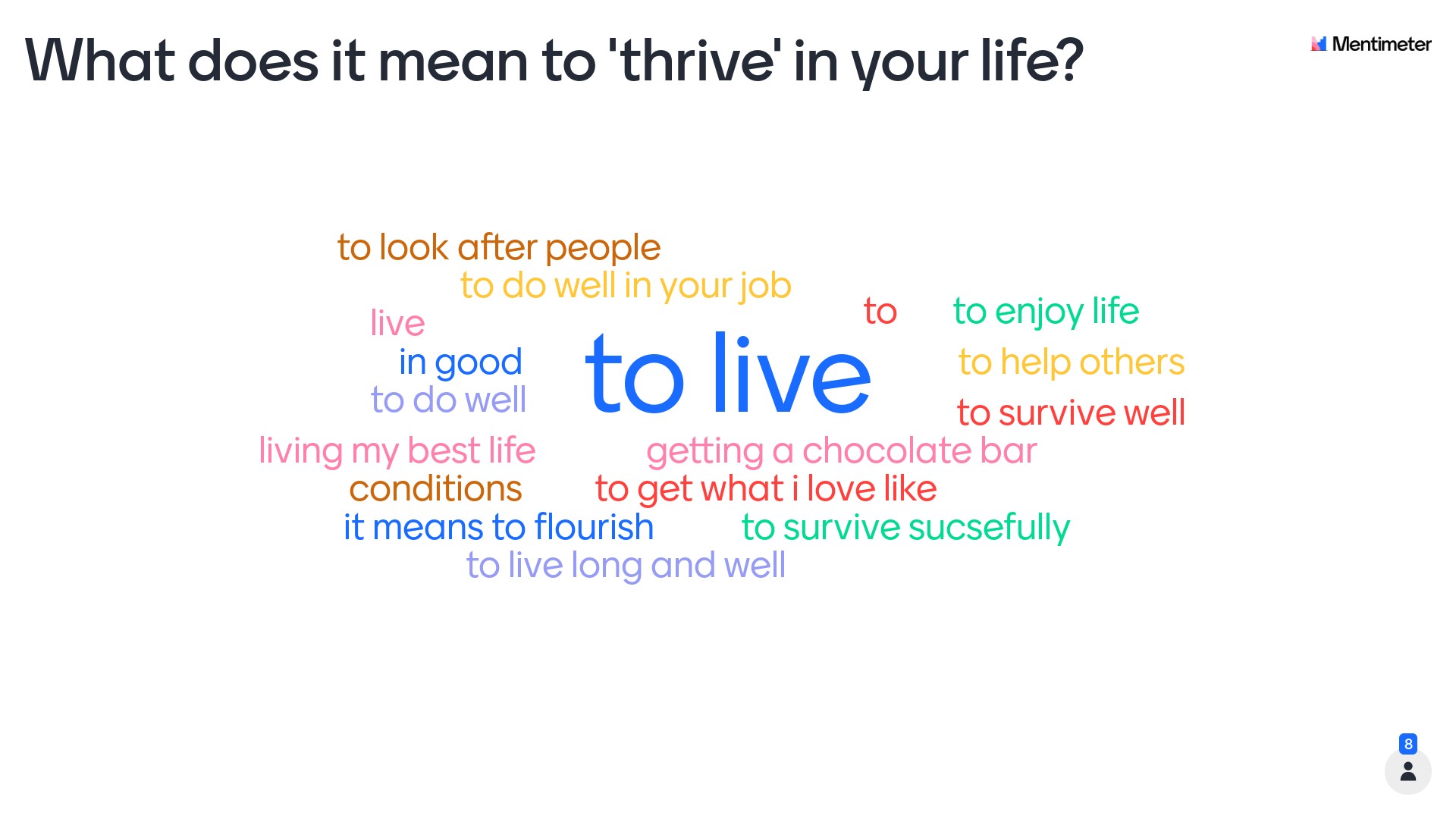
In our classes at Quest this week we talked about what it means to thrive and what might help us thrive.

We looked at examples of highly gifted children (prodigies) and looked at whether we thought they were thriving and what might have helped them to thrive. 

Some ideas of what it might mean to thrive...

"To flourish in the environment you're in and always be able to alter your attitude." Charlie S.

" Opposite to suffer." Amelia

" Healthy, living in good conditions." Cerys.

Below are ideas from some of the year 3&4 students:


We looked at the need to have challenge at the appropriate level for us, and to have motivation to do something. 

This fits in well with our famous people studies and children are researching what helped the famous person they are studying to thrive.


TERM 1 2026 - Treasure

 We have been exploring the various meaning of treasure this term - what it means to treasure something, what we see as treasure, what other...