Friday, 28 July 2023

TERM 3 - CHALLENGE

 This term we are looking at topics through the concept lens of 'Challenge'. The aim is to explore challenges that people face and how they deal with them, and for children to see that everyone faces challenges. Some of our children can have perfectionist tendencies, so it is good for them to understand that it is normal to find things challenging at times and have strategies for dealing with that when they experience challenge. It is also good for them to have some empathy for times when others may not find things as easy as they might. 

DIFFERENTLY ABLED

We started by looking at challenges of  being differently abled. We tried doing some things without using our hands, and then looked at this inspirational girl who was born with no hands. 


We discussed how we felt when things were difficult and what we could do about it. 

We also thought of other ways people could have different abilities  - both visible and invisible differences. This brought up some good discussions about ADHD, dyslexia, ASD, tourettes etc -  some children have some of these and were happy to share their experiences.

Children chose a variety of activities to extend their learning - some learned how to sign their name, some experimented with drawing using their foot, some read more about learning differences.


FLIGHT

We looked at the challenges of designing and making something that can fly. What helps something to fly? We explored the Bernoulli principle and air pressure,  and looked at thrust, lift and angle of attack. Then children made a paper plane and experimented with improving it. Some looked at flying creatures and explored how they fly. Some designed flying machines of the future. Some looked up information about the Wright brothers and Richard Pearse. Some explored how to make the world record breaking paper plane. Some taught others how to make different paper planes. 


Thursday, 22 June 2023

Inventions and self-reflection

 INVENTIONS AND SELF-REFLECTION

The concept of exploration continues in Term 2. 

ELECTRICITY

We looked at the invention of electricity and Nikola Tesla's creation of the AC current (as opposed to the original DC current). We looked at difficulties that faced Tesla on his invention journey (a difference of ideas with Edison, illness in early years, expectations from his father to become a priest like him, fears, difficulty in social situations), and the things that helped him (curiosity, determination, sense of humour, support from his inventive mother). 

We looked at the basics of how electricity works and had a chance to experiment with the brainbox equipment to make circuits.


ROCKETS and SATELLITES

We looked at satellites and what their purpose is. We thought about how we use satellites in our everyday life (GPS, weather data, communication).  Some of the year 3-6 students had a talk from some space ambassadors from Rocket Lab. They explained about innovations they are using to make exploration of space and getting information about the earth and the solar system more accessible. 


EXPLORING OUR IMAGINATIONS AND OUR PERSONALITIES - self-reflections

We took some time to think about how we use our mind. One week we looked at how some people are creative and the fact that imagination requires us to just have a go - there is no right or wrong way of being imaginative. We looked at the work of artists like Victor Nunes, and tried some creative thinking exercises ourselves.

Another week some children looked at our values and identity - what kind of person are we? What do we like? What do we think is important? What do we find difficult? We looked at how everyone is different and just because someone is different to us does not mean that they are less of a person - they just see things / do things / think in a different way to us.  I love some of the things that children said they value...

  • Memories
  • School
  • Being kind
  • caring for the environment
  • being alive
  • Teddies
  • not being late
  • keeping my bedroom clean! 
  • Earth
  • Being alone
  • Family
  • Being unique
It's always good to take a moment for some metacognition (thinking about how we think and work). It's helps us not only understand ourselves, but also to be more accepting of differences when we realise that we are all unique.  Some of the year 5&6 children looked at personality types and started thinking about their personality types and how that affects how they make decisions, pay attention, resolve issues, and what energises them (extravert personalities are energised by being around people, introvert personalities are energised by having time alone). 


Wednesday, 17 May 2023

Exploration topics

 Topics to do with Exploration


Early Explorers - we acted out the pūrākau (legend) of Kupe and the wheke (octopus). We thought about HOW early early explorers might have found their way, and WHY they went exploring.


Exploring inventions - We looked at the life of Nikola Tesla and his exploration of things to do with electricity and transmission. Many recognised the name Tesla from the cars, so we looked at why the company might be called that. We thought about problems Nikola Tesla faced, and also things that helped him along the way. His Mum sounds like a pretty interesting and creative person!

Some of the children explored making circuits with the brainbox equipment. 


How explorers travelled - we investigated modes of transport (ships, waka hourua, aerolpanes, feet etc) and thought about the advantages and disadvantages of each transport method. 

Look how advanced waka hourua were. 


Tamariki investigated different transport methods and technologies, some looked at current exploration of planets, and some thought of designs for time travel machines. 


Wednesday, 3 May 2023

TERM 2 - EXPLORATION

 EXPLORATION is our concept for this term. 

We started by thinking about the meaning of exploration - in small groups children sorted words or pictures into groups of things that were exploring, and things that were not. This brought up a lot of great discussion as children justified their thoughts and discussed whether they agreed or not. We talked about personal opinion and how some people see things from different perspectives so it is good to listen to everyone's ideas. 

What do you think? Which ones of these could be exploration? 

Once we had figured out the definition for exploration we brainstormed how people can explore earth. There were many great ideas such as drilling to get rock samples, scuba diving to explore underwater, drones, mountain climbing, spelunking (cave exploration - some remembered the vocab from last term). 

We looked at how satellites can help us explore things about earth - maps, weather patterns, GPS, communication etc

Many of the year 3-6 children had fun exploring google earth and finding where they lived on the satellite view and/or on street view. Some designed and created models of satellites. Some explored NASA technology website for kids, some found out how GPS works. 

My year 1 and 2 groups had some time exploring thinking games and puzzles - challenging themselves to solve problems. 

Friday, 17 March 2023

School life

 What is school for? 

We brainstormed different things about learning - what is it important to learn? What would you like to learn? What helps us to learn? What makes learning difficult? What could you help others to learn? 

This brought up a lot of discussion as children moved around the room writing their ideas on the different sheets of paper. This 'bus stop' activity where they travel around the room and stop at each paper to write ideas helps them to have their own ideas heard, but also allows for mixing and discussion along the way. 

We then looked at photos of schools in different countries and thought about what might make it difficult or might help learning in each situation. 

We then thought about possible schools of the future. I posed a scenario and they had to think about advantages and disadvantages about it.

"The year is 2050. Schools have been declared 

too expensive and have been abolished. 

All children will work from home at online schools.

Students can choose any online school to participate in 

and could be working with children from 

many different countries." 

It was an interesting exercise as many at first were keen on the idea, but when they started to think about it they came up with many possible problems. 

There were several choices to expand thinking - designing an ideal classroom, thinking what makes a good teacher or a good friend and advertising for that, writing about what they would be like if they were a teacher etc.


SEA WEEK - Sea life

 Why is the sea important for us? 

We get over half our oxygen from the sea, and it is also an important part of the water cycle. Some food also comes from the sea. So it's as important to people as it is for the creatures who live in the sea. 

We thought about problems facing the sea and if we could do anything to help. We practiced kaitiakitanga (guardiandship) by going out to pick up rubbish to  stop it getting into the sea - we were surprised at how much we found. 


Children did various activities to learn more - learn to draw; researching sea creatures and some of NZ's  most endangered, the Maui Dolphin and the fairy tern; finding out more about Tīkapa Moana (the Hauraki Gulf - the area of sea that surrounds Whangaparaoa Peninsula), and some even asked to go out and find more rubbish. 

It's important for these tamariki to feel empowered and have a way to make a difference if they want to. They are often deeply caring individuals who can feel overwhelmed thinking about the issues in the world, so it's good for them to see people who are already helping, and to find a way that they can help too. 


Biospeliology - cave life

Bios = life (Greek)

Speliology = the study of caves

Ana = cave in Maori

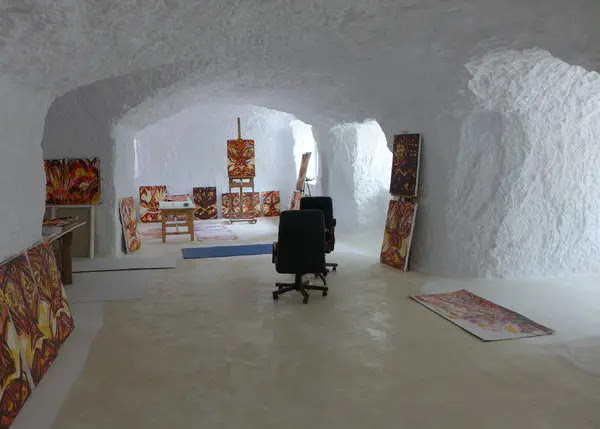
We did some thinking about what life would be like in a cave. If you couldn't see how would you find food? 

We had a 'cave' set up in the room - under the tables - which children explored. I had some paper cutouts of cave critters in there for them to discover. Did you know that 'spelunking' is the name for exploring
caves. Lots of fun big words this week. 

We talked about glow worms (arachnocampa luminosa) and who had seen them before. Some had been to waitomo (wai = water, tomo= hole or go into). Did you know that we have glow worms at Shakespear Park? They can often be seen near the waterfall - go on a night walk and turn off your torches when you get to the waterfall. We thought about why they might glow. Here's a video about them.


Some animals live in caves their whole life (troglobytes - troglos = greek for cave, bytes from bios, life)

Some like to live in caves, but can live outside as well (troglophiles - phileos = love)

Some just visit caves (trogloxenes - xenos = guest).

We looked at adaptation needed to live in a cave.

People have lived in caves in various countries / times (some still do). We discussed why people might live in caves and what adaptations people would need to make - what would be difficult about living in a cave? We thought of advantages and disadvantages of living in a cave. 

Some designed their own cave houses (thinking about how to see, how to get rid of waste, how to get water), some created cave creatures out of pipecleaners - such as the tokoriro or cave wētā, some researched animals that live in caves etc. 


TERM 2 2026 - Movement

  MOVEMENT DEFINITIONS: A change in position or location A particular action or way of changing place or position A group or groups of peopl...