Wednesday, 3 May 2023

TERM 2 - EXPLORATION

 EXPLORATION is our concept for this term. 

We started by thinking about the meaning of exploration - in small groups children sorted words or pictures into groups of things that were exploring, and things that were not. This brought up a lot of great discussion as children justified their thoughts and discussed whether they agreed or not. We talked about personal opinion and how some people see things from different perspectives so it is good to listen to everyone's ideas. 

What do you think? Which ones of these could be exploration? 

Once we had figured out the definition for exploration we brainstormed how people can explore earth. There were many great ideas such as drilling to get rock samples, scuba diving to explore underwater, drones, mountain climbing, spelunking (cave exploration - some remembered the vocab from last term). 

We looked at how satellites can help us explore things about earth - maps, weather patterns, GPS, communication etc

Many of the year 3-6 children had fun exploring google earth and finding where they lived on the satellite view and/or on street view. Some designed and created models of satellites. Some explored NASA technology website for kids, some found out how GPS works. 

My year 1 and 2 groups had some time exploring thinking games and puzzles - challenging themselves to solve problems. 

Friday, 17 March 2023

School life

 What is school for? 

We brainstormed different things about learning - what is it important to learn? What would you like to learn? What helps us to learn? What makes learning difficult? What could you help others to learn? 

This brought up a lot of discussion as children moved around the room writing their ideas on the different sheets of paper. This 'bus stop' activity where they travel around the room and stop at each paper to write ideas helps them to have their own ideas heard, but also allows for mixing and discussion along the way. 

We then looked at photos of schools in different countries and thought about what might make it difficult or might help learning in each situation. 

We then thought about possible schools of the future. I posed a scenario and they had to think about advantages and disadvantages about it.

"The year is 2050. Schools have been declared 

too expensive and have been abolished. 

All children will work from home at online schools.

Students can choose any online school to participate in 

and could be working with children from 

many different countries." 

It was an interesting exercise as many at first were keen on the idea, but when they started to think about it they came up with many possible problems. 

There were several choices to expand thinking - designing an ideal classroom, thinking what makes a good teacher or a good friend and advertising for that, writing about what they would be like if they were a teacher etc.


SEA WEEK - Sea life

 Why is the sea important for us? 

We get over half our oxygen from the sea, and it is also an important part of the water cycle. Some food also comes from the sea. So it's as important to people as it is for the creatures who live in the sea. 

We thought about problems facing the sea and if we could do anything to help. We practiced kaitiakitanga (guardiandship) by going out to pick up rubbish to  stop it getting into the sea - we were surprised at how much we found. 


Children did various activities to learn more - learn to draw; researching sea creatures and some of NZ's  most endangered, the Maui Dolphin and the fairy tern; finding out more about Tīkapa Moana (the Hauraki Gulf - the area of sea that surrounds Whangaparaoa Peninsula), and some even asked to go out and find more rubbish. 

It's important for these tamariki to feel empowered and have a way to make a difference if they want to. They are often deeply caring individuals who can feel overwhelmed thinking about the issues in the world, so it's good for them to see people who are already helping, and to find a way that they can help too. 


Biospeliology - cave life

Bios = life (Greek)

Speliology = the study of caves

Ana = cave in Maori

We did some thinking about what life would be like in a cave. If you couldn't see how would you find food? 

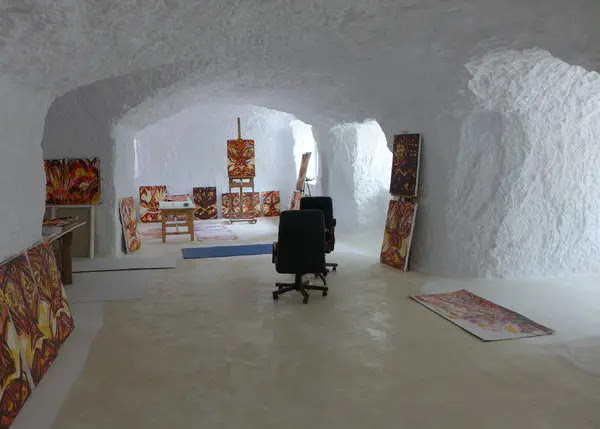
We had a 'cave' set up in the room - under the tables - which children explored. I had some paper cutouts of cave critters in there for them to discover. Did you know that 'spelunking' is the name for exploring
caves. Lots of fun big words this week. 

We talked about glow worms (arachnocampa luminosa) and who had seen them before. Some had been to waitomo (wai = water, tomo= hole or go into). Did you know that we have glow worms at Shakespear Park? They can often be seen near the waterfall - go on a night walk and turn off your torches when you get to the waterfall. We thought about why they might glow. Here's a video about them.


Some animals live in caves their whole life (troglobytes - troglos = greek for cave, bytes from bios, life)

Some like to live in caves, but can live outside as well (troglophiles - phileos = love)

Some just visit caves (trogloxenes - xenos = guest).

We looked at adaptation needed to live in a cave.

People have lived in caves in various countries / times (some still do). We discussed why people might live in caves and what adaptations people would need to make - what would be difficult about living in a cave? We thought of advantages and disadvantages of living in a cave. 

Some designed their own cave houses (thinking about how to see, how to get rid of waste, how to get water), some created cave creatures out of pipecleaners - such as the tokoriro or cave wētā, some researched animals that live in caves etc. 


Tuesday, 21 February 2023

2023 - Term 1 LIFE

 Welcome to Quest 2023! This term's concept is LIFE. We are going to be looking at a wide variety of topics that link to this concept. 


WATER FOR LIFE 

“Ko te wai te ora ngā mea katoa”

Water is the life giver of all things.

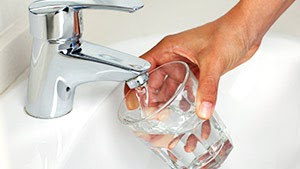
We looked at what we know about water and made a PMI (plus, minus and interesting) chart about water. I chose this as it was topical due to the recent floods. I wanted tamariki to think about different ways we have water in our life. We looked at being problem solvers - how can we try to find a solution to a problem? If water can be dangerous when we are on a boat what can we do? (wear a life jacket, know how to swim, be careful etc). 

We looked at ideas for solutions to too much rain (floods) and too little rain (droughts).  Children explored a variety of ideas from looking at how desalination plants work, permeable concrete design, to designing flood proof homes. Some played board games to learn more about conserving water, others found out how our wastewater system works, some thought about the many ways we use water every day. 

We looked at the importance of water in different cultures. 

"Freshwater is taonga (precious) for Māori.In te ao Māori (Māori worldview) each body of water has its own mauri. Tribal identity is closely linked to freshwater." environment.govt.nz

Wai = water

wai Māori = fresh water

waitai = salt water


Saturday, 10 December 2022

Change can be useful

 We have been looking at how change can be useful - firstly in drama - what can we change (looks, clothes, voice, actions). We used this topic to also look at emotions - how do we act to show different emotions? What emotions are there? When might we feel these emotions and what can / do we do if we feel these emotions? 

A little bit of philosophy too - when is it helpful / not helpful to disguise our emotions?

I used these cute little 'kimochi' toys to start discussions on emotions. 

We created 'blob creatures' from modelling clay to show just one emotion. Some children created stop motion videos with their blob creatures. 

Anther week we looked at 'Spies, lies, and disguise' - looking at the story of Margaret Bulkley from the 1800's. She changed her name and appearance to become James Barry so she could go to university to train as a doctor, and became a well-known surgeon as James Barry. Lots of discussions from children here about how difficult that might have been and whether she should have pretended or not. We then looked at when else people might disguise who they are (undercover police, spies, people who are trying to hide for some reason etc). We created our own 'cover stories' and tried to keep to them - it was difficult to remember everything! Some children designed and created spy gadgets too. 


We also looked at the learning pit and how mistakes and struggles in learning can be the catalyst for change and learning. 


We looked at the recent launching of Artemis 1 and the difficulties they faced when trying to launch (engine trouble, fuel leak, tropical storm) and how they overcame each of these problems. We also tried to make an origami star each and thought about what we could do if we found something difficult and how we felt when we achieved something. 


Have a Happy Christmas everyone! 

Friday, 21 October 2022

CHANGE - Term 4 concept

This term we are looking at the concept of change - it's a great one as we come to the end of the year, as some will naturally be a little anxious about changes as one year finishes and another begins. Hopefully by looking at change all around us in different contexts, children will have a chance to process that change is part of life, and along the way learn a few coping strategies if needed. 

We started the term by looking at animals and change - metamorphosis, changing colours, and even looking at some cephalopods (octopus etc) that can change their skin texture! 

I asked children to list as many different animals as they could think of. If they want to know more about how many animal species are in the world then Wonderopolis has a great page about this with information and activity ideas to take learning further. 

We did a sorting and matching activity - trying to match pictures of young with adult animals. Kids were fascinated (and some disgusted!) by flounder / flat fish and how their eyes move to one side of their body as they become adults and go from an upright juvenile fish to an adult flounder. 

We watched a video about amazing cephalopods (Octopus, squid, cuttlefish) and how they can change their colour, shape and sometimes even their texture. We thought about why they make these changes. 


Some students created pipecleaner critters, some used the letters in the word METAMORPHOSIS to make words (how many can you find?), some imagined they could morph into any animal and gave reasons for why they would choose a particular animal, some researched different animals etc. 


TERM 2 2026 - Movement

  MOVEMENT DEFINITIONS: A change in position or location A particular action or way of changing place or position A group or groups of peopl...